


Why Do We Grit Roads?
Do you live in an area where temperatures often fall below 0°C?
If so, you have probably seen gritters spreading salt on roads and pavements during autumn and winter.
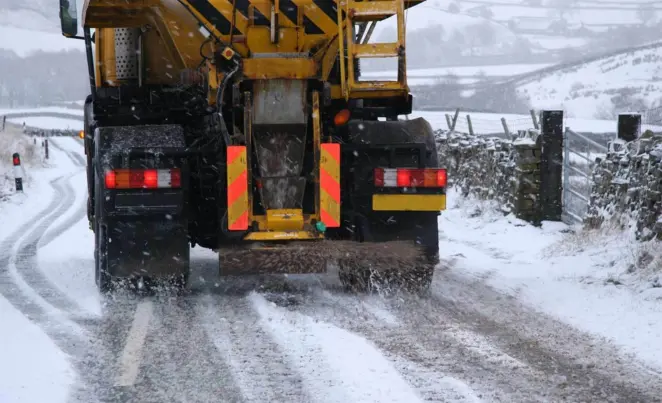
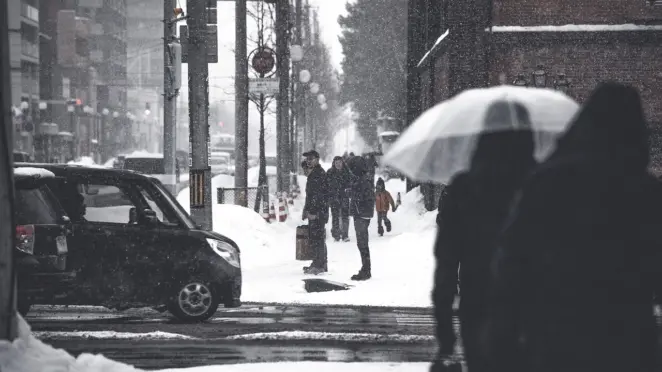
In colder months, gritters are used to spread salt on roads and pavements to reduce the risk of ice forming. As a result, busy areas become much safer in winter, with a reduced risk of slips, trips, and accidents.
Why Do We Grit Roads in Winter?
Gritting refers to the process of spreading a de-icing agent, usually a form of salt such as white or rock salt onto roads, pavements, and other surfaces such as car parks.
In winter it is done to prevent ice from forming or to melt already existing ice. This makes surfaces safer for both people and vehicles.
Safer pavements and roads mean fewer accidents, reduced disruption, and easy access for emergency services. Gritting also has a significant economic impact. While it costs the UK government around £150 million per year, it is estimated that without it, winter delays could cost the economy around £2 billion annually. In other words, it is a small price to pay to keep people and the economy moving safely.
Why Does Salt Melt Ice?
Both white and rock salt melt ice through a process known as freezing point depression. Usually, water freezes at a temperature of 0°C, but when salt is added, it can remain liquid at temperatures as low as around -8°C! In other words, salt lowers the freezing point of water.
If used as a pre-treatment, it will prevent the ice from forming in the first place.
If the ice is already formed, salt works best when dissolved in the thin layer of liquid water on top of the ice and forms a saltwater solution called brine. This is where foot and vehicle traffic helps: movement crushes the ice, mixes the salt with moisture, and spreads the brine across the surface. In other words, high traffic can ‘activate’ the salt, helping it work more quickly.
This is why busy areas and pavements are often de-iced faster than rural ones. More traffic means brine forms faster and ice melts sooner. In comparison, less popular locations may take longer to de-ice because the salt sits on the surface until enough moisture and movement mix it in.
At What Temperature Do Roads Freeze Over?
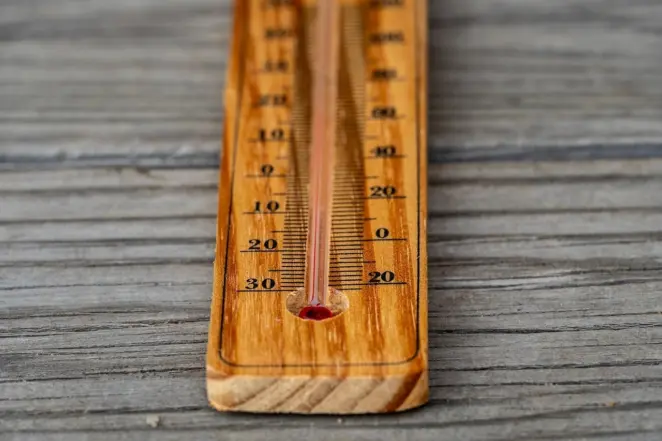
Untreated roads and pavements freeze over as soon as their surface temperature reaches 0°C or below. Many people tend to confuse this with the air temperature given in weather forecasts. However, these two are completely different things.
According to the Met Office ‘If the air temperature is forecast to fall between 0°C and 4°C on a night with little or no cloud and light winds, then you need to bear in mind there may be a frost outside in the morning’. This is because the ground temperature tends to be colder than air temperature. To learn more about this, check out our ‘Gritting: When Should You Start?’ blog.
Treated areas, on the other hand, will not freeze unless the surface temperatures drop below around -8°C. If this happens, specialist liquid de-icers, such as our Ice Thaw Ultra, can be used instead. This product is effective at preventing and melting ice in temperatures up to -26°C.
What is Black Ice?
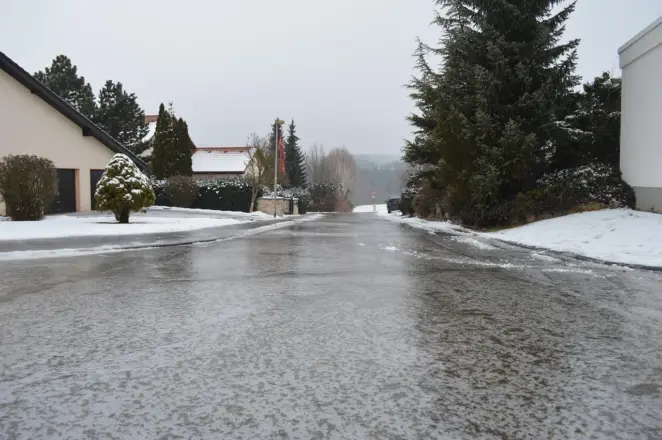
Sometimes when roads freeze over, the entire road can become coated in a single, thin sheet of smooth ice. This phenomenon is called black ice and is one of the most dangerous winter hazards, especially if roads are not gritted.
While the name may suggest otherwise, the ice itself is not actually black. Instead, the coating of ice is transparent, causing only the black tarmac of the road beneath to be visible. This makes it incredibly difficult to spot in advance and the sudden loss of traction may cause the driver to panic and spin out, potentially causing an accident.
Pedestrians are also more likely to suffer from slips and falls.
If you happen to encounter black ice on the road, remain calm. Your natural instinct may be to slam on the brakes and correct the steering wheel to keep the car straight, but this is the worst thing that you can do. Instead, ease off the accelerator and keep the steering wheel as straight as possible until you regain traction.
Make sure to be extra careful when walking or driving on the bridges too. These are particularly susceptible to black ice forming as they are exposed to cold air from all sides since they do not benefit from any insulation from the ground.
Gritting in the Summer
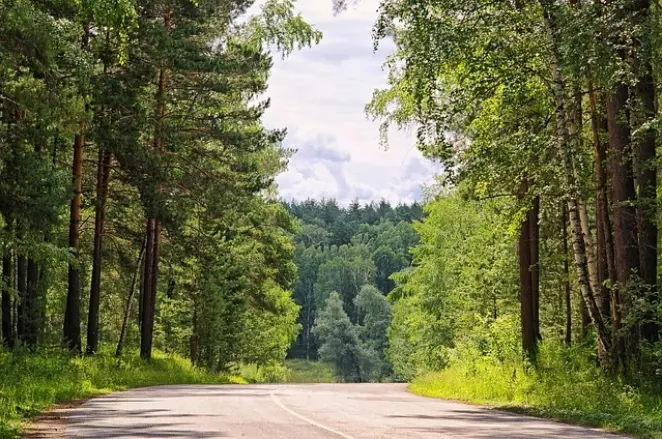
Surprisingly, rock salt is fantastic at protecting the roads during a heatwave.
According to National Highways, around 96% of the roads are surfaced with asphalt, also known as tarmac, with the remaining 4% being built from concrete. Once tarmac reaches a surface temperature of around 50°C, it can begin to soften. While these temperatures may seem impossible at first in the UK, depending on the sunlight and wind, this can sometimes happen even if the air temperature is as low as 22°C.
The asphalt can then become shiny and slippery, increasing the risk of accidents. It can also cause long-term damage to vehicles as it tends to stick to their tyres and paint, causing permanent damage.
Because of this, gritters are often used in the summer to spread rock salt on the road surfaces. Rock salt has the ability to attract moisture from the air, helping to cool the tarmac down. This helps to form a non-stick, protective barrier between the hot tarmac and the cars, minimising the damage to the roads. Sometimes, graphite dust will also be spread to further improve the grip for the drivers and lower the chance of accidents.
To learn more about this, check out our ‘Gritting the Roads During a Heatwave?’ blog.
Rock salt has the ability to attract moisture from the air, helping to cool the tarmac down.
Gritting roads and pavements plays a vital role in keeping people safe during colder months. By lowering the freezing point of water, both white and rock salt help prevent ice from forming and reduce the risk of slips, falls, and car accidents.
However, gritting isn’t only used in freezing weather. During periods of extreme heat, salt can also be applied to help cool the road surface and prevent tarmac from softening, further contributing to everyone’s safety.
To stay prepared all year round, explore our full range of white and rock salt products, designed to keep roads, pavements, and public spaces safe in any weather!
