


Wieliczka Salt Mine
The Wieliczka Salt Mine, located in the town of Wieliczka in southern Poland, is just a 30-minute drive from the popular city of Kraków.
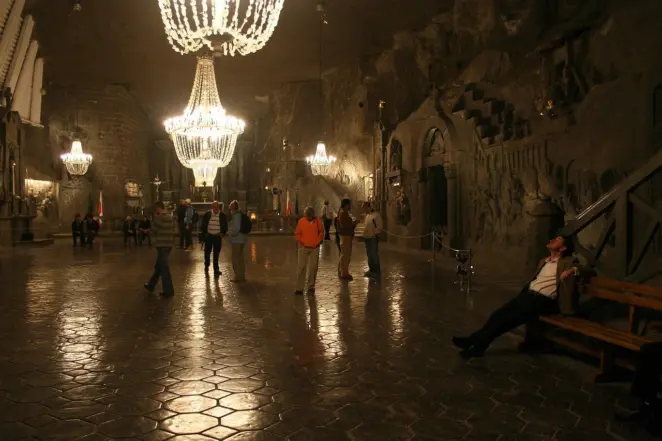
The mine reaches a depth of 327 metres and has over 152 miles of tunnels. It became a UNESCO World Heritage Site in 1978 and is considered one of the most impressive and tourist-friendly rock salt mines in the world. About 2 million visitors come every year to see its underground church, lake, salt sculptures, and chandeliers with crystals made from pure rock salt!
As a UK-based rock salt supplier, we are always fascinated by the salt’s rich history and the many ways it is used – from de-icing roads to creating art masterpieces.
A Journey Through History
According to the Wieliczka Salt Mine's website, back in the day, Wieliczka used to have brine springs from which people would extract salt by boiling the water in small clay vessels. The salt was then used to preserve meat and fish. It also quickly became a means of payment in trade.
Once these springs started disappearing, people were digging up wells in search of the brine water. It was during this activity that the first rock salt was accidentally found all the way back in the 13th century. The geological deposit of salt turned out to be so large that both the Wieliczka Salt Mine and the smaller Bochnia Salt Mine were created.
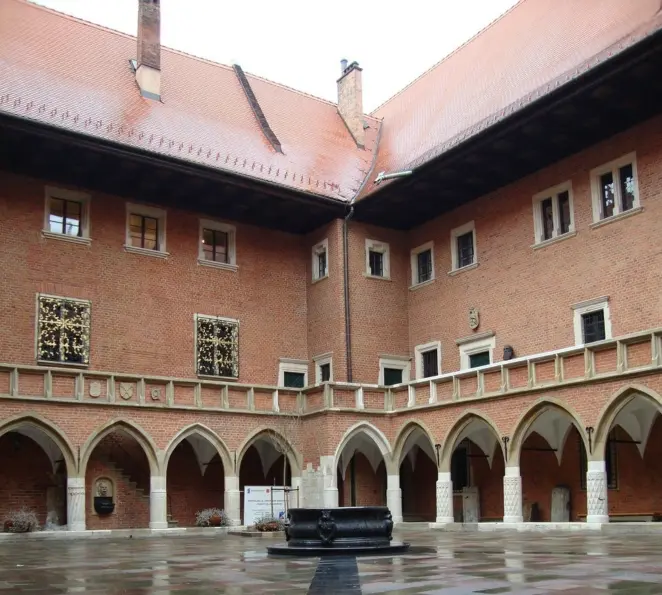
Since then, the salt has been extracted from Wieliczka on a regular basis, positively contributing to the Polish economy. One of the most notable contributions was providing the funds for the opening of the Jagiellonian University – the first university in Poland.
At the end of the Middle Ages, it is estimated that around 300 people worked in the mine, bringing the annual production of salt to 7,000 - 8,000 tonnes.
As the mine’s reputation grew, it welcomed its first tourist in 1492. His name was Nicolaus Copernicus. Nicolaus was a Polish astronomer famous for proposing a theory that it is the Earth that rotates around the Sun, and not the other way round.
From there, the mine started gaining more regular visitors. In the 18th century the number of guests reached several dozen a month, growing to the high hundreds per month at the beginning of the 20th century.
The mine remained a fully functional working mine until 1996, when it was turned into a tourist attraction. Over the last seven centuries, it has welcomed more than 50 million tourists.
The Legend of Princess Kinga
It is a well-known fact that the Wieliczka Salt Mine is home to one of the world’s largest and most famous underground churches. Yet, many visitors are unaware of the story behind its creation.
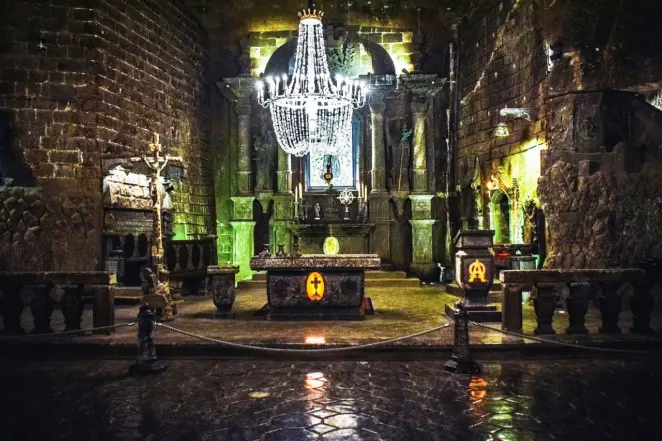
Located 101 metres below the surface, the breathtaking Chapel of St. Kinga is carved entirely from rock salt and is dedicated to Saint Kinga, the patron saint of miners.
According to legend, it is believed that in the 13th century, when the Hungarian princess was set to marry the Polish King, Bolesław Wstydliwy, she threw her engagement ring into a Hungarian salt mine. Once she arrived in Poland, she stopped near where the Wieliczka Salt Mine now stands and commanded local miners to dig. The first block of salt uncovered contained her engagement ring, leading many to believe that she brought salt to Poland as a wedding gift.
While the legend is widely considered to be a myth, there is historical truth behind the story. Princess Kinga did bring skilled Hungarian salt miners with her to Poland. Their expertise played a vital role in the development of salt mining in the region.
Today, the Chapel of St. Kinga stands as the centrepiece of the mine, as a tribute to her legacy and the miners whose work made it possible.
The Mine Today: Tourism & Experiences
Besides the beautiful chapel, the Wieliczka Salt Mine has a lot to offer and is definitely worth a visit for any salt or history lovers. An article from the BBC described the Winsford Rock Salt Mine, where we source our rock salt, as resembling the lair of a Bond villain. In comparison, the Wieliczka Salt Mine would be more at home in a scene from J.R.R. Tolkien’s Lord of the Rings.
When visiting, there are two options to choose from.
The Tourist Route begins with a 378-step descent, and throughout the 2.1-mile journey, visitors can explore an underground lake and admire multiple salt sculptures. These include figures of John Paul II, Nicolaus Copernicus, and a replica of Leonardo da Vinci’s The Last Supper painting. All while learning about the history of the mine and rock salt. There is also a souvenir shop and a restaurant where visitors can try traditional Polish food.
For those who want a hands-on experience, the Miners’ Route is available. This path skips the main attractions and focuses on mining itself. Visitors can dig and explore the salt firsthand using the same process that allows us to produce the high-quality mineral that helps keep our roads safe today.
Even though 98% of the Wieliczka Mine is kept closed to preserve it, the section open to visitors shows the mine’s incredible history. It is a powerful reminder of the story behind every bag of salt we deliver.
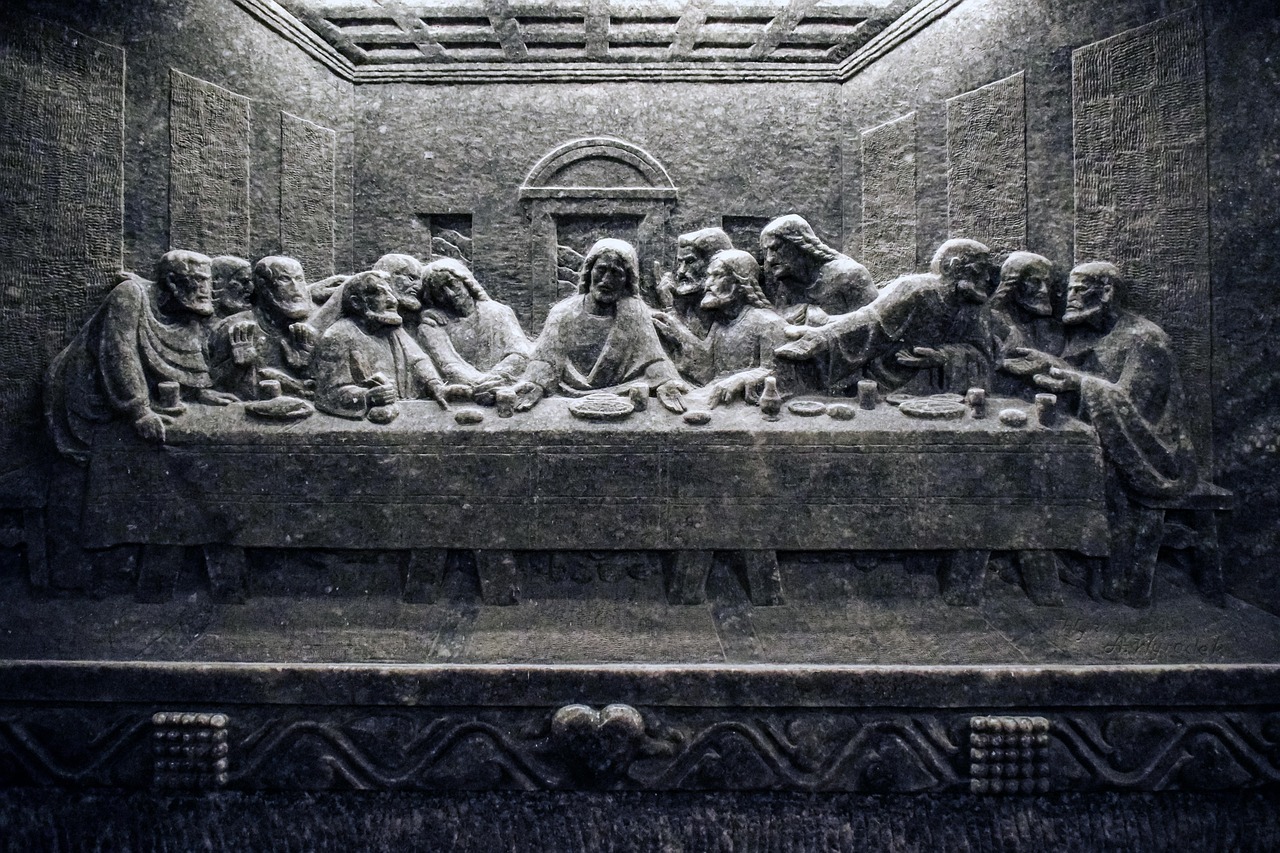
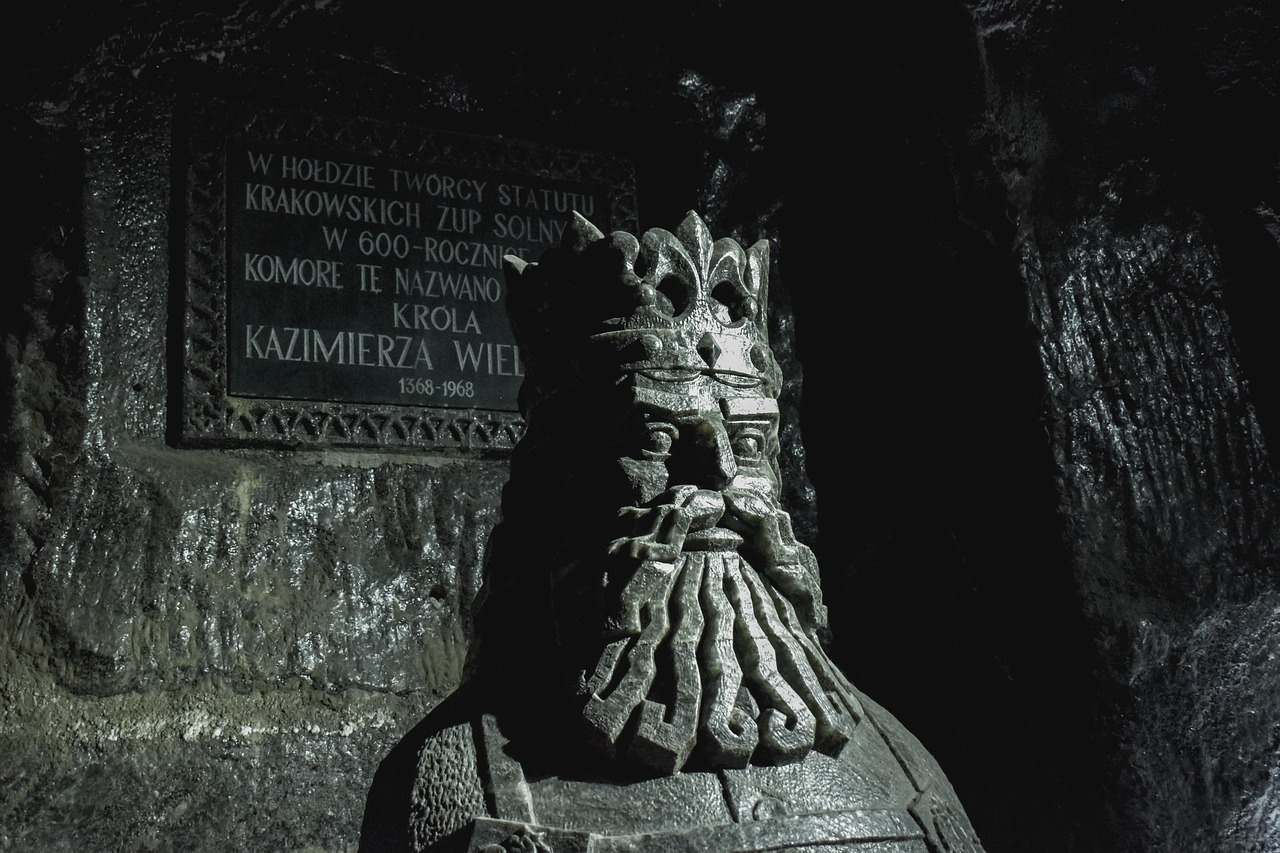
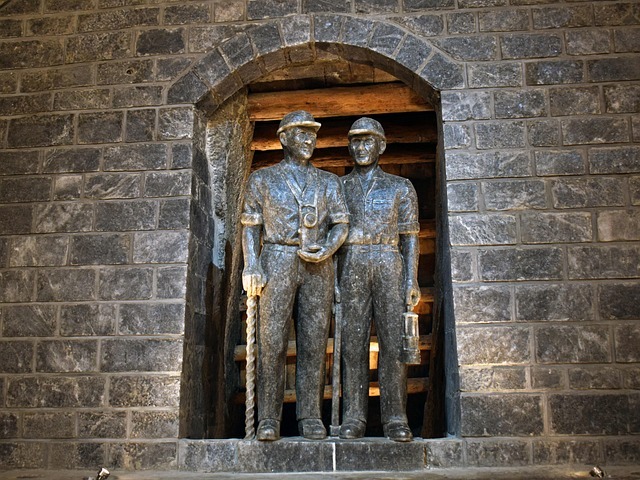
The Wieliczka Salt Mine is a must-visit for anyone who loves rock salt. Visitors can learn about the history of mining and how the process has changed over time. They can also see amazing art carved entirely from salt. It is truly a one-of-a-kind experience.
Here at Online Rock Salt, we are inspired by the awareness the mine brings, showing that rock salt is a mineral with many uses. It also highlights its role in the economy - from supporting the development of countries over centuries to keeping roads safe in winter and preventing costly delays.
Do you want to learn more about rock salt? Explore our knowledge base, full of blogs and guides covering everything you need to know. Or, if you’re ready to protect your property or business this winter, browse our range of high-quality de-icing salt today!
